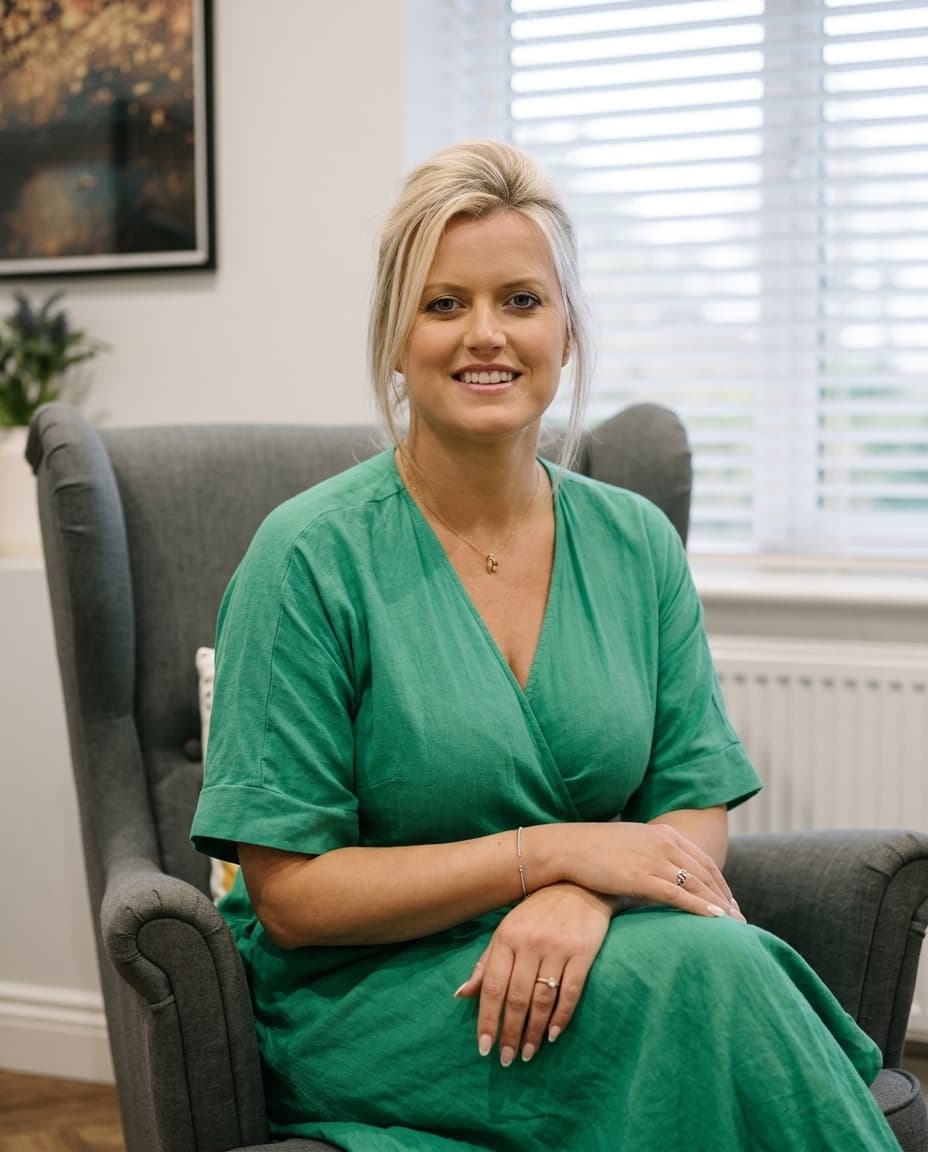
a grounded, experienced practice
A therapist who understands the impact of difficult relationships.
I work with adults who are living with the lasting effects of relational trauma, emotional abuse, and narcissistic abuse. My approach is warm, grounded, and informed by both professional training and a genuine understanding of how deeply these experiences can affect a person.
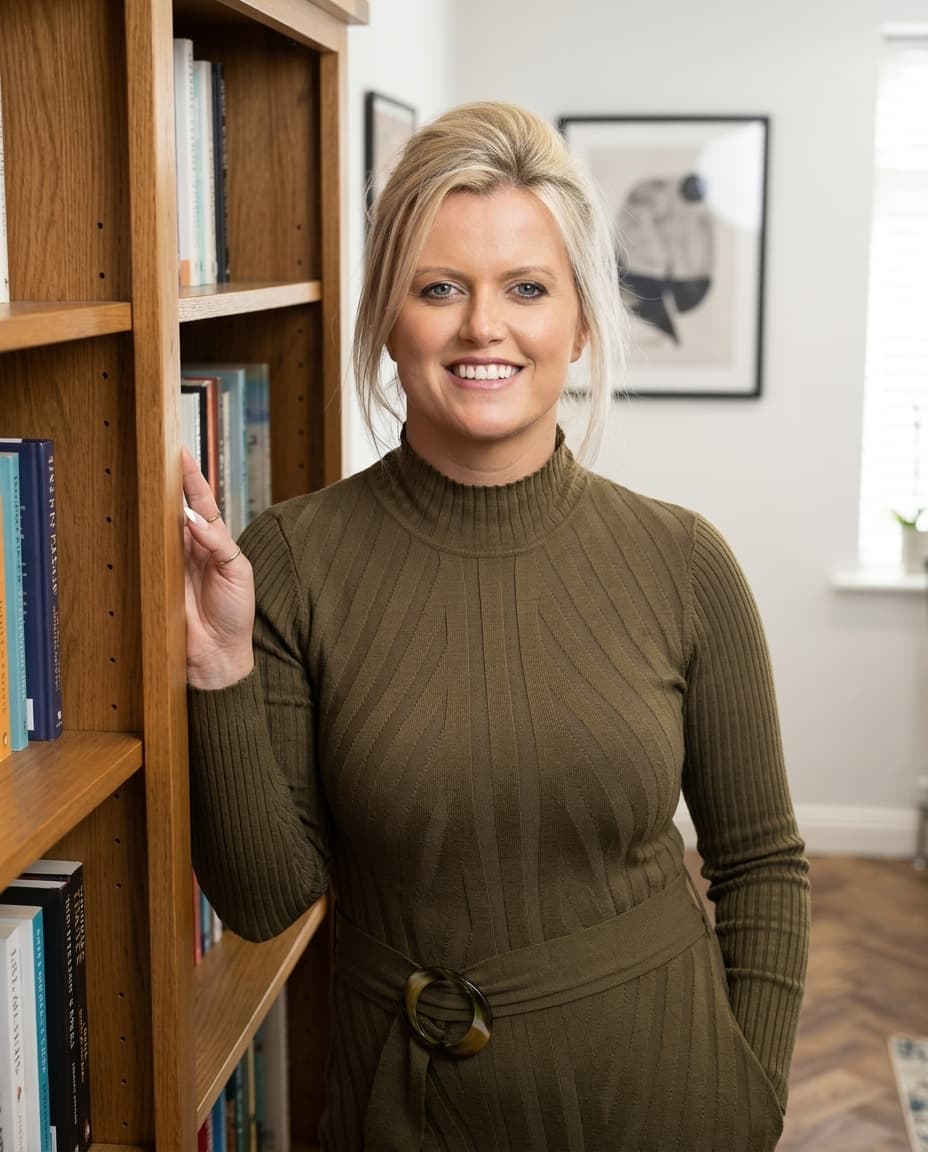
Thoughtful, trauma-informed, and led by you
I believe that healing from relational trauma requires more than techniques alone. It asks for a relationship where you feel genuinely safe, seen, and unhurried. That is what I aim to offer.
My work draws on psychodynamic and relational theory, attachment-focused frameworks, and trauma-informed practice. I pay close attention to what is happening in the room between us, because the therapeutic relationship itself can become a place where new patterns begin to take shape.
I do not follow a rigid protocol. Instead, I adapt to what you need at each stage of the work, whether that is making sense of the past, regulating difficult emotions, rebuilding trust in yourself, or learning to set boundaries that reflect your worth.
Grounded in training, shaped by understanding
I have spent years working with individuals who have been affected by emotionally abusive relationships, narcissistic dynamics, controlling family systems, and the complex grief that often follows these experiences.
My interest in relational trauma is not purely academic. It is something I care about deeply and have chosen to dedicate my career to. I understand how isolating and disorienting it can be to live through these dynamics, and how much courage it takes to seek support.
This understanding informs every aspect of how I work. I bring patience, clarity, and a genuine respect for the pace at which healing happens. There is no pressure here to perform recovery, and no judgement about where you are starting from.
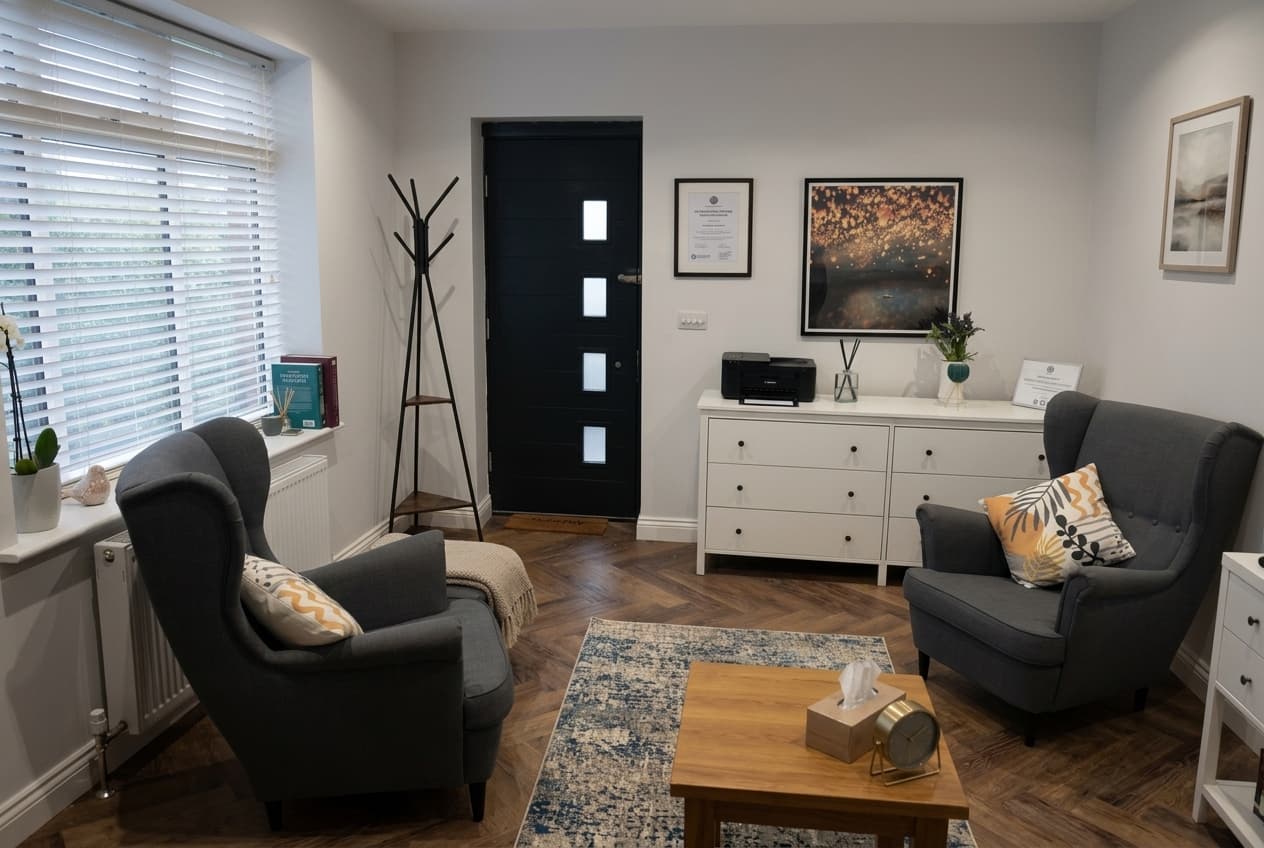
Professional credentials
My work is grounded in extensive academic study, clinical training, and specialist practitioner qualifications. I hold a wide range of credentials that together shape a thoughtful, integrative, and trauma-informed approach.
Academic qualifications
- MSc in Psychology
- BSc (Hons) in Psychology with Social Sciences
Counselling & psychotherapy training
- Level 5 Professional Diploma in Counselling & Psychotherapy
- Level 4 Diploma in Counselling
Additional specialist training
- Professional Diploma in Clinical Hypnotherapy
- Practitioner Diploma in Emotional Freedom Technique (EFT)
- Practitioner Diploma in Neuro-Linguistic Programming (NLP)
- Practitioner Diploma in Neuro-Linguistic Coaching
- Diploma in Timeline Therapy
My continuing professional development is focused on complex trauma, attachment theory, relational approaches, and the specific dynamics of emotional and narcissistic abuse. I am committed to deepening my practice through ongoing supervision, training, and study.
Accreditation, safeguarding, and insurance
Katherine is a member of the National Counselling & Psychotherapy Society (NCPS), her primary professional body, and works within their ethical framework for counsellors and psychotherapists.
She is also a member of the British Psychological Society (BPS), supporting ongoing academic and professional development.
Her practice is supported by Enhanced DBS clearance and professional insurance through Holistic Insurance Services.

- Katherine holds an Enhanced Disclosure and Barring Service (DBS) check, a UK safeguarding standard.
- Professional insurance is in place through Holistic Insurance Services.

A safe, clear, and honest space
Therapy with me is collaborative. I will not tell you what to do or impose an agenda. Instead, I will listen carefully, reflect back what I notice, and help you make connections that bring greater clarity and self-understanding.
You can expect warmth without over-familiarity, honesty without harshness, and a consistent space that is held with care. Sessions can be face-to-face at my practice in Horsforth, Leeds, or online from anywhere in the UK.
If you have never been to therapy before, or if previous experiences have not felt right, I understand that starting again takes trust. I take that seriously.
You do not need a diagnosis to deserve support
I work with adults who are dealing with the effects of relational trauma, emotional abuse, narcissistic abuse, CPTSD, attachment wounds, and difficult family dynamics. Many of my clients are people who have spent a long time trying to understand their experiences on their own before reaching out.
You might be someone who functions well on the surface but feels exhausted, hypervigilant, or disconnected underneath. You may have left a harmful relationship and still feel its presence. Or you may be starting to recognise patterns from childhood that continue to shape your adult life.
Whatever brings you here, you do not need to have it all figured out before making contact. That is what the work is for.
Things people often ask before starting
I work integratively, drawing primarily on psychodynamic and relational theory, attachment-focused frameworks, and trauma-informed practice. My approach is tailored to each client rather than following a single model. I pay close attention to relational patterns and work at a pace that feels safe for you.
No. You do not need a diagnosis, a referral, or a specific label. Many of my clients come because they recognise that something feels wrong in how they relate to themselves or others, and they want support to understand and change that. That is more than enough.
That depends on what you are working through and what you need. Some clients benefit from shorter-term focused work, while others find that longer-term therapy gives them the depth and consistency they need. We can discuss this together and review as we go. There is no fixed endpoint.
Yes. I offer online sessions across the UK via a secure video platform, as well as face-to-face sessions at my practice in Horsforth, Leeds. Many clients find online therapy just as effective as in-person work, and it can be a good option if you need flexibility or privacy.
The initial consultation is a 30-minute conversation where we can talk about what is bringing you to therapy and whether working together feels like the right fit. There is no pressure and no obligation. It is simply a chance for us to meet and for you to ask any questions you have.
It is more common than people realise to have had therapy that did not quite land. Sometimes the approach was not right, or the fit was not there, or the work did not go deep enough into relational patterns. My focus on relational trauma and attachment means the work often reaches areas that more general approaches may not. I am happy to talk this through with you.
Ready to take the next step?
You deserve support that truly understands.
If something on this page resonated with you, I would welcome the chance to hear from you. An initial consultation is a simple, low-pressure way to begin.